



What Is Video Production? A Guide for Business Owners
Video production is the process of turning an idea into a finished video through planning, filming, and editing. It combines strategy, creative work, and technical skills to create content that serves a specific business goal.
If you run a business, you already know you need video. What you may not know is what actually happens to turn an idea into a finished video, who does the work, how long it takes, and what separates a smooth project from an expensive mess. That knowledge gap is exactly why video can feel intimidating to commission.
This guide fixes that. It explains what video production is in plain terms, walks through how it works from start to finish, and gives you enough understanding to make smart decisions when you hire. When you are ready to put that understanding to work, professional video production for business growth becomes far less mysterious once you know what you are actually buying. No jargon, no fluff, just the picture you need.
What Is Video Production, Exactly?
Video production is the complete process of creating a video, from the first idea through the finished file ready to publish. It is everything that happens to turn a concept into content: planning what to shoot, capturing it on camera, and assembling it into a polished final product.
The word covers a lot of ground. A thirty-second commercial, a customer testimonial, a training video, and a livestreamed event are all products of video production, even though they look completely different. What they share is a structured process, and understanding that process is the key to commissioning video without getting lost.
For business owners, the useful way to think about it is this: video production is a service that takes your business goal and turns it into a video designed to achieve that goal. The better the production, the more reliably the video does its job.
The Three Phases of Video Production
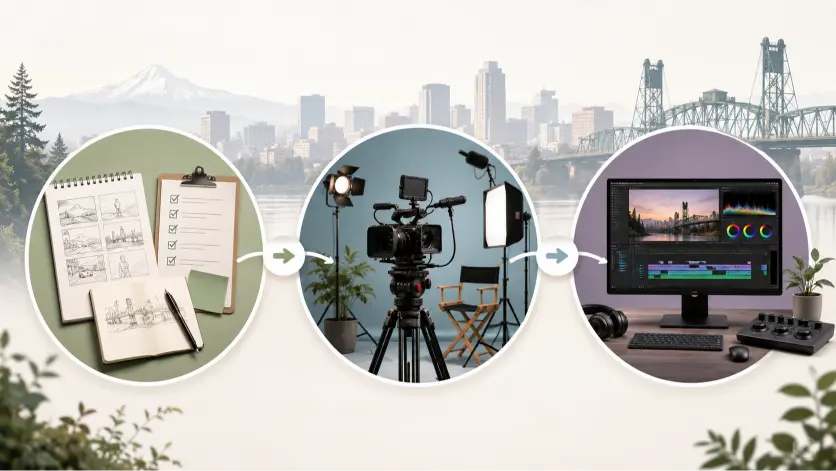
Every video, from the simplest clip to a full commercial, moves through three phases. Knowing them is the single most useful thing a business owner can learn about how video gets made.
Phase One: Pre-Production (The Planning)
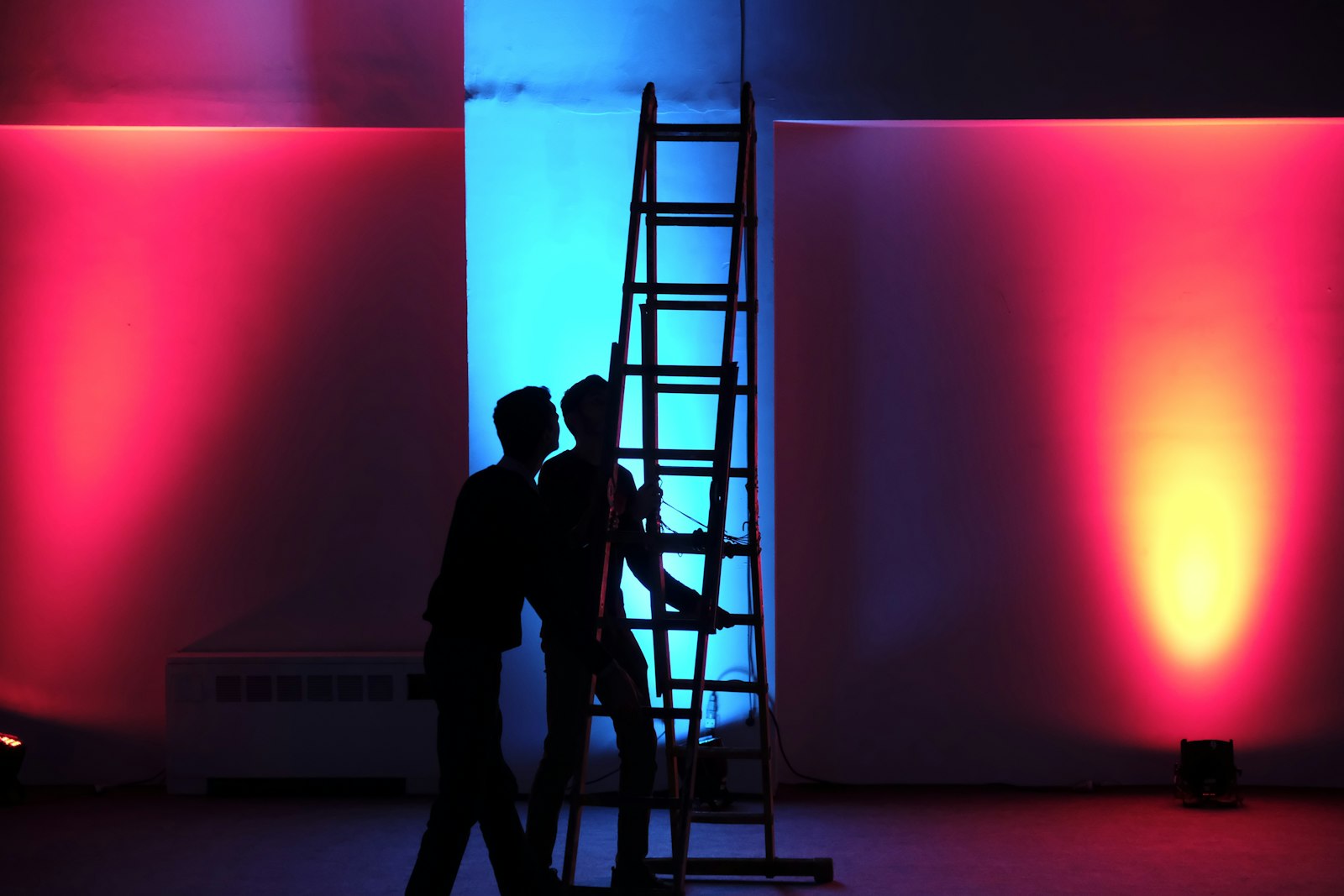
Pre-production is everything that happens before the camera turns on: developing the concept, writing the script, planning the shots, choosing locations, scheduling, and arranging any people or equipment needed. It is the least glamorous phase and the most important one.
Think of pre-production as the blueprint. A video with a strong plan behind it almost always turns out well, and a video without one almost always runs into trouble. Most of the problems that blow up budgets, like missing shots discovered too late or a location that falls through, trace back to weak pre-production.
Phase Two: Production (The Shoot)
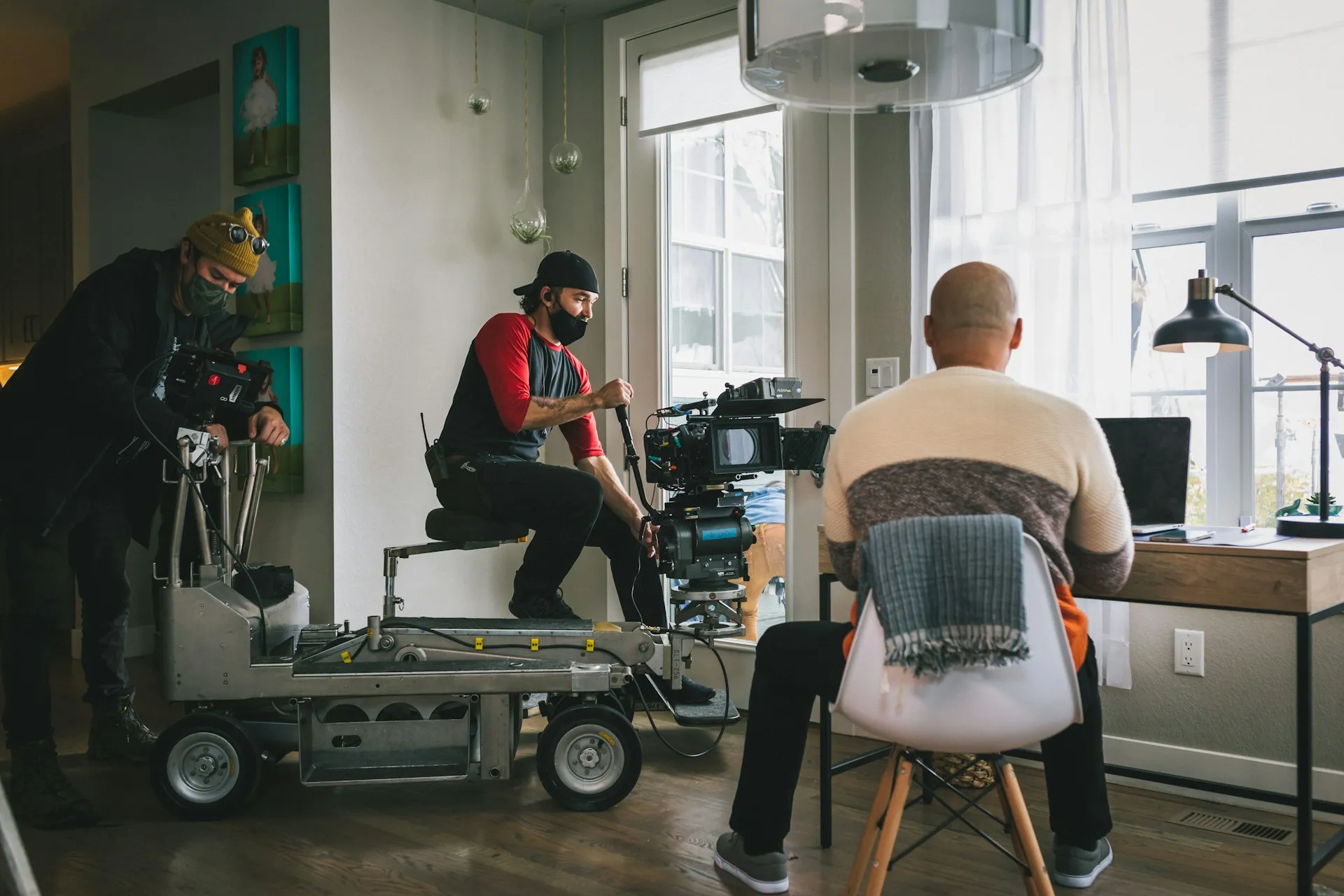
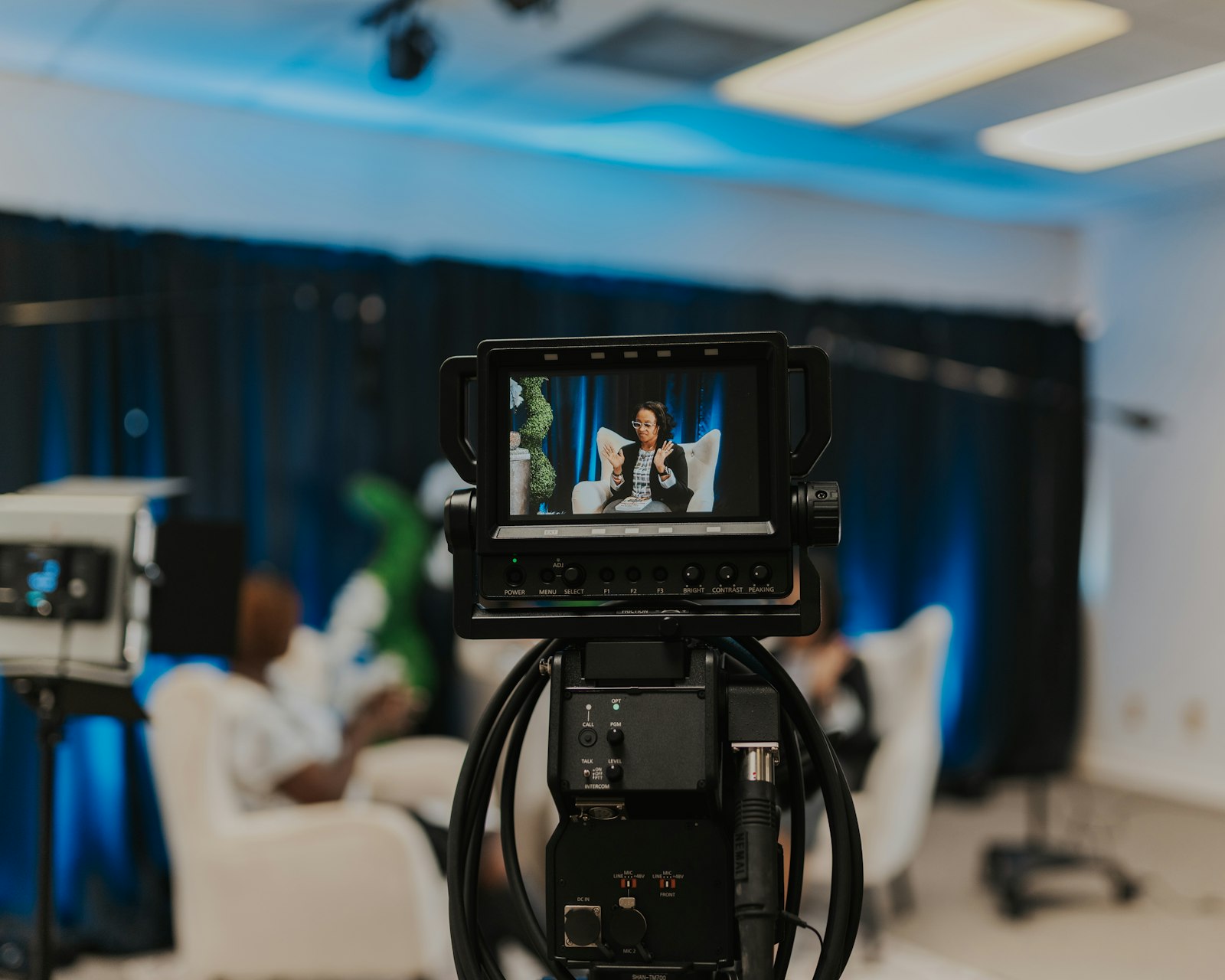
Production is the part most people picture: the actual filming. This is where the camera, lighting, audio equipment, and crew capture the footage according to the plan. For a business owner, the shoot day is usually the most visible part of the process and often the shortest.
A well-planned shoot runs efficiently because the decisions were already made in pre-production. The crew knows what they need, captures it, and moves on. A poorly planned shoot improvises, runs long, and costs more.
Phase Three: Post-Production (The Edit)
Post-production is where raw footage becomes a finished video. This phase includes editing the footage together, color correction to make it look polished, mixing the audio, adding music, and creating any graphics or text. It is where the story and emotional impact are actually built.
This phase often surprises business owners with how much it matters. The same footage can become a forgettable video or a compelling one depending entirely on the editing. The edit is where good footage becomes a good video.
The Common Types of Video Production
Video production is not one product. Different business goals call for different kinds of video. Here are the ones business owners encounter most.
Commercial and advertising videos are built to sell, whether as broadcast spots, online ads, or landing page videos. Brand videos establish who your company is and what it stands for. Explainer and product videos show how something works. Testimonial videos let customers vouch for you.
There are also more specialized formats. Corporate and training videos serve internal needs like onboarding and communication, while marketing and promotional videos support specific campaigns and launches. For businesses that host events, event production and live streaming capture conferences, launches, and live moments as they happen.
The key insight for business owners is that the type follows the goal. Decide what you want the video to accomplish, and the right type becomes clear.
Who Actually Makes a Video?
Business owners are often surprised by how many distinct skills go into professional video. Understanding the roles helps you know what you are paying for.
A typical production involves a director guiding the creative vision, a camera operator capturing the footage, lighting and audio specialists shaping how it looks and sounds, and an editor assembling it all in post-production. On larger projects, you might also have a producer managing logistics, a scriptwriter, and motion graphics artists.
This is why a single skilled freelancer and a full production team produce different results. One person covering every role makes compromises somewhere. A team brings a specialist to each job. For a business owner, the practical takeaway is that the complexity of your video should guide how much of a team it needs. A simple internal clip may need one person; a brand-defining commercial needs the full crew.
What Business Owners Should Know Before Hiring
You do not need to become a video expert. You do need to understand a few things that make the process go smoothly.
You bring the goal, not the script. A good production company develops the creative concept and script for you. What you need to bring is clarity about your business goal, your audience, and where the video will be used. Everything else is the production company's job.
Planning is where your money is protected. A production partner who invests in pre-production is protecting your budget, not padding the invoice. Be wary of anyone who wants to skip straight to filming.
One shoot can produce many videos. A well-planned production day can capture material for several videos at once, which is how smart businesses keep costs down. Ask any production company how they plan to maximize what a single shoot produces.
Local matters more than you think. A nearby production team means lower costs, faster scheduling, and crew who know your market. Portland Production Services has produced video for Pacific Northwest businesses for over 20 years, with owned equipment and an in-house crew across Portland, Beaverton, Hillsboro, Lake Oswego, Tigard, and Vancouver, WA.
Video Production Demystified
So, what is video production? It is a structured, three-phase process, planning, filming, and editing, that turns a business goal into a finished video. It involves a range of specialized skills, comes in many types matched to different goals, and rewards good planning above all else.
You do not need to master the craft. You just need to understand enough to hire well and know what you are buying. Now you do.
Ready to Put a Video Production Team to Work?
Portland Production Services has demystified video for Pacific Northwest business owners for more than 20 years, with fully owned gear, an in-house crew, and a process built to make the whole thing easy on you.
Talk to Portland Production Services about your first or next video and bring your goal in plain terms. We will translate it into a production plan and walk you through every step.
Already worked with PPS? Leave a quick review about your experience and help the next Portland business owner take the leap with confidence.
Frequently Asked Questions
1.What is video production in simple terms?
Video production is the complete process of creating a video, from planning the idea through filming it and editing it into a finished product. It happens in three phases: pre-production planning, production filming, and post-production editing. The goal is to turn a concept into polished video content ready to publish.
2.What are the three stages of video production?
The three stages are pre-production, production, and post-production. Pre-production covers all the planning, including concept, script, and scheduling. Production is the actual filming, and post-production is the editing, where raw footage is assembled, color corrected, and finished into the final video.
3.What does a video production company do?
A video production company manages the entire process of creating video for a client, supplying the strategy, crew, equipment, and editing needed to turn a business goal into a finished video. The client brings the goal, audience, and intended use, while the company handles the concept, script, filming, and post-production. The result is professional video built to achieve a specific purpose.
4.Do I need a script before starting video production?
No. A professional production company develops the concept and script as part of pre-production. What you need to bring is clarity about your business goal, your audience, and where the video will be used. The clearer your goal, the better the production company can build the right video around it.
Key Takeaways
- Video production is the full process of making a video, moving through three phases: pre-production planning, production filming, and post-production editing.
- Planning is the most important phase. Strong pre-production is the biggest predictor of whether a video turns out well and stays on budget.
- The type of video follows the goal, from commercials and brand videos to training, promotional, and event content, so deciding the goal first makes the right format clear.
- Business owners bring the goal, not the script. PPS handles concept, crew, and editing, with 20+ years of Pacific Northwest experience, owned gear, and an in-house local crew.
There's more ...
.webp)


Unleash Your Inner Creative Madness With Us!
info@portlandproductionservices.com
503-317-6447
© Portland Production Services 2026
8816 SE 29TH AVE
MILWAUKIE OR 97222-6323, US

