




Why TV Commercial Production is Still Alive and Profitable
TV commercial production remains a powerful growth tool, combining big-screen brand impact with modern targeting capabilities to increase awareness, build trust, and improve marketing performance across every channel.
Somewhere around 2015, marketing Twitter declared TV dead, and an entire generation of brands took the advice and crowded into digital feeds where attention is measured in fractions of a second. Meanwhile, the brands that kept investing in television quietly enjoyed something their competitors abandoned: a thirty-second window on the biggest screen in the house with the sound on. TV did not die. It changed shape, and the brands that understand the new shape are buying reach at efficiencies digital-only advertisers cannot touch. This article makes the business case for TV commercial production built by a team that knows broadcast, and explains why the medium everyone wrote off keeps printing money for the brands still using it.
The Premature Obituary: Why Everyone Got TV Wrong
The TV-is-dead argument confused a delivery mechanism with a behavior. Cable subscriptions declined, so the conclusion was that television advertising declined with them. The behavior tells a different story.
People did not stop watching television. They stopped watching it through a cable box. Time spent on the big living room screen has held remarkably steady; it simply migrated to streaming apps, smart TV platforms, and on-demand viewing. The audience never left the room. It just changed the input.
What actually happened is that TV advertising became more accessible, not less. The old model required buying broad demographic blocks through broadcast networks at price points that locked out most growing businesses. The new model lets a Portland brand put a broadcast-quality commercial in front of a targeted household on the same screen, often at a fraction of legacy costs.
TV Did Not Die, It Multiplied
Modern TV commercial production now feeds three distinct distribution lanes, and a single well-produced spot can run in all of them.
Connected TV and Streaming
Connected TV is the fastest growing segment of television advertising. Ad-supported tiers on major streaming platforms put commercials back in front of audiences who supposedly cut the cord, with digital-grade targeting layered on top: geography, household income, interests, and purchase behavior. A Portland brand can now run a TV campaign that only reaches households within its actual service area.
Local Broadcast
Local broadcast remains one of the most underpriced trust builders in advertising. Appearing during local news and regional programming places your brand alongside institutions your market already trusts, and local broadcast inventory in a mid-size market like Portland costs far less than most business owners assume. For service businesses, the phrase "as seen on TV" still does conversion work that no Instagram placement matches.
Live Events and Sports
Live programming is the last truly appointment-based viewing left, which makes it the most valuable commercial real estate on television. Audiences watching live do not skip, do not scroll, and watch with full attention. Brands that pair broadcast spots with live streaming production for their own events extend that live-attention advantage into owned channels as well.
The Numbers Behind Profitable TV Commercial Production
Profitability is the part of the TV story that gets ignored, so here is the honest math.
TV builds brand memory that lowers every other acquisition cost. Audiences exposed to a brand on television convert at higher rates when they later encounter that brand in search and social. Marketers see this constantly in the data: TV flights run, branded search volume climbs, digital conversion rates improve. TV is the demand creator that performance channels harvest.
Big-screen viewing produces stronger recall than mobile. A commercial viewed at full size with sound on, in a relaxed setting, encodes far better than a muted ad sprinted past on a phone. Recall is the entire mechanism by which advertising produces future revenue, and television remains the strongest recall medium available.
The production asset amortizes across every channel. This is where the economics tip decisively. A broadcast-quality commercial is the most demanding deliverable in the video world, which means every other format comes free from the same material: streaming cuts, YouTube pre-roll, paid social versions, website hero video, and promotional content for ongoing campaigns. Produce once at broadcast standard, deploy everywhere, and the cost per impression keeps falling for the life of the asset.

Broadcast Standards Are a Feature, Not a Hurdle
Television is the one advertising medium with enforced quality control, and that gatekeeping quietly works in your favor.
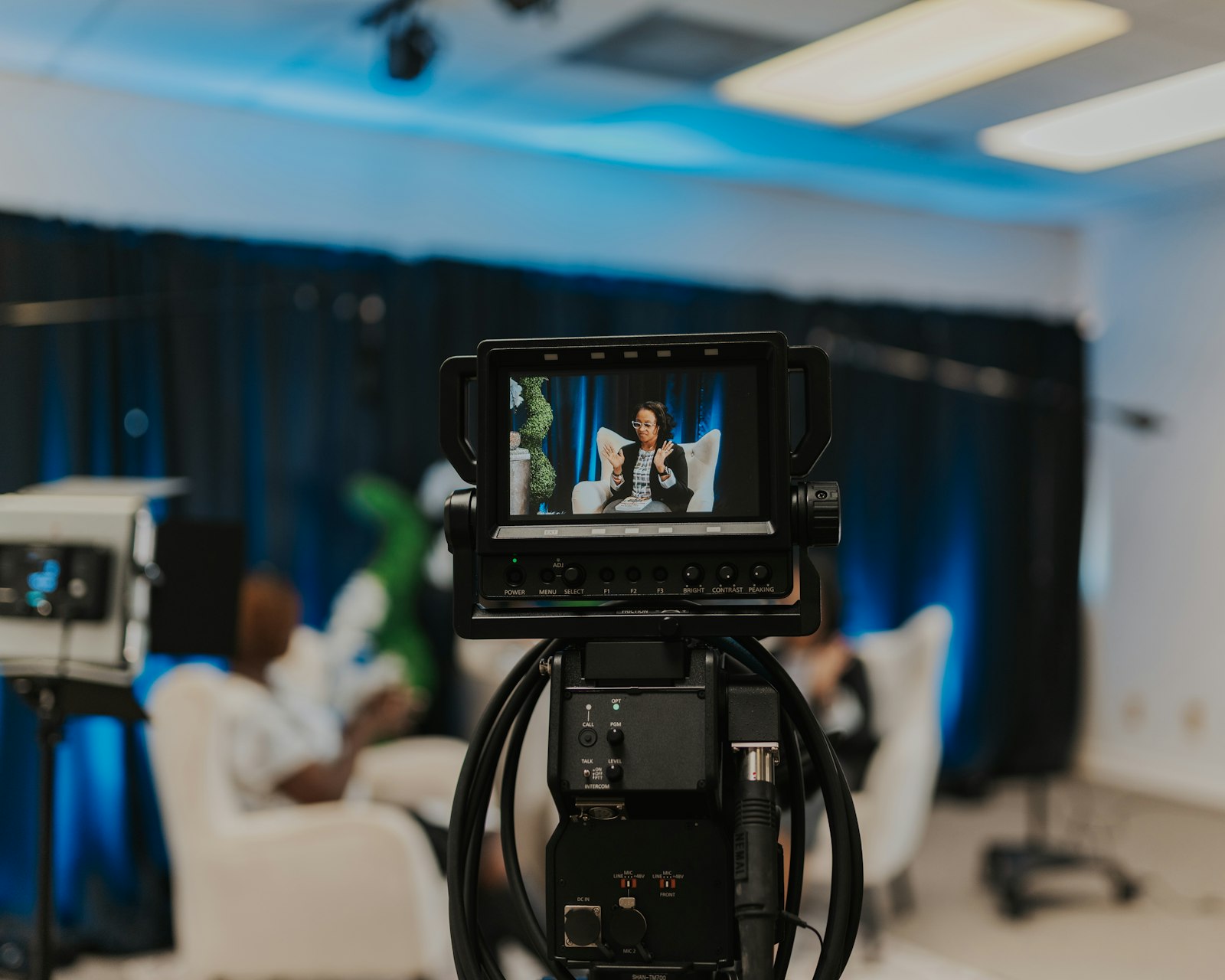
Broadcast and major streaming platforms hold commercials to technical delivery specifications: loudness compliance, color space standards, closed captioning, legal clearances, and exact runtime tolerances. A spot that misses spec gets rejected, full stop.
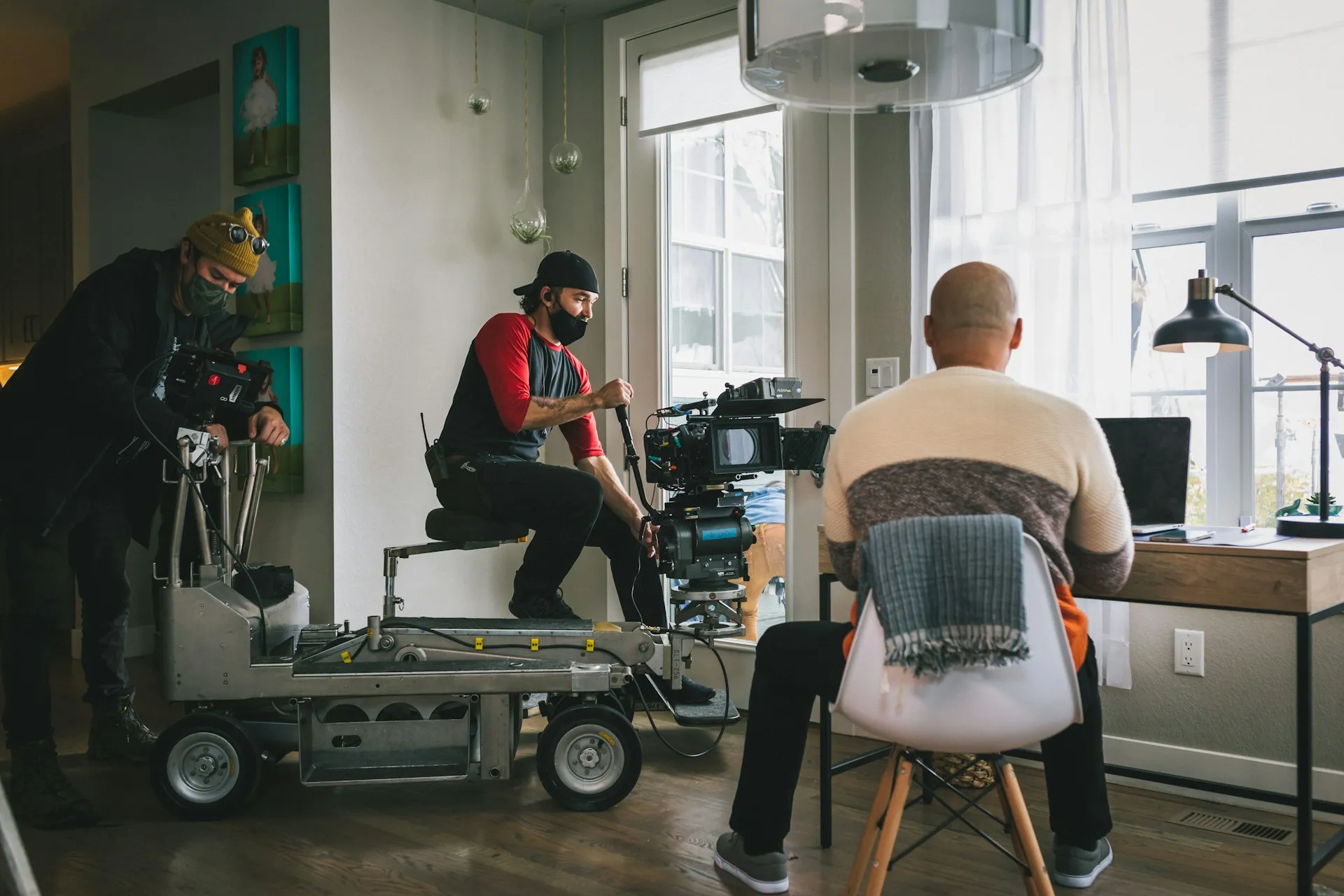
This is precisely why TV commercial production demands an experienced production partner rather than a generalist. A team that delivers to broadcast regularly knows the specs cold, builds them into the edit from day one, and clears music licensing and talent releases properly so the spot survives network review. Portland Production Services has been delivering broadcast-compliant work for more than 20 years, with the in-house equipment and post-production pipeline to hit television specifications without outsourcing a single step.
The hidden benefit: a commercial built to broadcast standard outclasses ninety percent of what runs in digital feeds. The hardest spec becomes your quality floor everywhere else.
Who Wins on TV Right Now
TV commercial production is not the right move for every brand at every moment, but several profiles consistently profit from it.
Local and regional service businesses. When your customers all live within a defined geography, local broadcast and geo-targeted connected TV concentrate your spend exactly where your revenue lives. A small business with a strong offer and a memorable spot can own its local category in a way digital fragmentation makes nearly impossible.
Brands selling considered, high-trust purchases. Healthcare providers, home services, financial services, and legal practices all benefit from the institutional credibility television confers. The medium itself is part of the message.
Non-profits with a story worth thirty seconds. Television remains the strongest emotional storytelling environment in advertising, and non-profit video production built for broadcast reaches donors in the receptive, lean-back state that drives giving decisions.
Regional consumer brands ready to scale. When a Pacific Northwest brand outgrows its early-adopter audience, TV is the proven jump to mainstream awareness. The Oswego Hills Vineyard and Winery work shows how regional brand identity translates into commercial storytelling polished enough for any screen it runs on.
Producing for Portland Screens With a Portland Crew
Television advertising rewards local fluency more than any digital channel, because TV audiences notice immediately when a commercial was made by people who do not know the market.
Portland Production Services has produced commercial work across Portland, Beaverton, Hillsboro, Lake Oswego, Tigard, and Vancouver, WA for over two decades, with fully owned cameras, lighting, audio, and post-production infrastructure. For TV work specifically, that means locations that read authentically Portland on screen, casting that sounds like the market, weather contingencies already built into every shoot schedule, and relationships with regional broadcast outlets that smooth the path from final cut to air date.
The Pacific Northwest also happens to be a visual gift for television. Thirty seconds of well-shot Oregon scenery does brand work that thirty seconds of stock footage never will, and audiences here can tell the difference instantly.
The Medium Everyone Abandoned Is the Opportunity
Here is the strategic punchline: while your competitors fight over the same exhausted digital audiences, television inventory reaches the same households with less competition from brands your size than at any point in decades. The herd left. The audience stayed. That gap is the profit.
TV commercial production is alive because attention on the big screen never actually went anywhere. It is profitable because most brands stopped showing up for it.
Put Your Brand on the Biggest Screen in the House
Portland Production Services has spent 20+ years producing broadcast-quality commercials with in-house gear, an in-house crew, and a post-production pipeline that delivers to television spec the first time.
Talk to Portland Production Services about producing your TV commercial and find out what broadcast and connected TV can do for your growth plan. Bring your market, your budget, and your goal. We will bring the roadmap.
If PPS has already put your brand on screen, leave us a quick review about the experience. It helps other Portland businesses find broadcast production they can count on.
Frequently Asked Questions
How much does TV commercial production cost in Portland?
TV commercial production for local and regional brands typically involves a professionally produced thirty second spot plus the media budget to air it. Production investment varies with concept complexity, talent, locations, and deliverables, while local broadcast and connected TV media in a market like Portland costs considerably less than most business owners expect. A production partner experienced in broadcast can scope both sides accurately once your goal and market are defined.
Is TV advertising still effective for local businesses?
Yes, and often more effective per dollar than crowded digital channels. Local broadcast places your brand alongside trusted regional programming, and connected TV targeting limits delivery to households inside your actual service area. Local businesses that pair a memorable spot with consistent airtime frequently become the default name in their category.
What is the difference between a TV commercial and a digital video ad?
A TV commercial is produced to broadcast technical standards, including loudness compliance, exact runtime, closed captioning, and full legal clearances, and it is built for full-attention viewing on a large screen with sound on. Digital video ads face no enforced standards and are usually designed for silent, interrupted mobile viewing. A spot produced to TV standard can run anywhere, while most digital-first ads cannot run on television.
How long should a TV commercial be?
Thirty seconds remains the standard unit for broadcast and connected TV, balancing story depth with media cost. Fifteen second cuts work well for frequency building and streaming placements, while sixty second spots suit launches and high-emotion storytelling where the message needs room. A well-planned TV commercial production captures all three lengths from the same shoot.
Key Takeaways
- Television audiences never disappeared, they moved to streaming and smart TV platforms, and connected TV now combines big-screen impact with digital-grade household targeting.
- TV commercial production is profitable because the asset amortizes everywhere: a broadcast-standard spot supplies streaming, pre-roll, social, and web placements from a single production investment.
- Broadcast delivery standards demand an experienced production partner, and PPS brings 20+ years of broadcast-compliant production with owned gear and a full in-house pipeline.
- Reduced competition is the hidden opportunity: while brands crowd digital feeds, television reaches the same Portland households with clearer share of voice than the medium has offered in decades.
There's more ...
.webp)


Unleash Your Inner Creative Madness With Us!
info@portlandproductionservices.com
503-317-6447
© Portland Production Services 2026
8816 SE 29TH AVE
MILWAUKIE OR 97222-6323, US

